Examining Player Migration Patterns Between Live Tournaments and Digital Sites Due to Regulatory Changes in Gambling Practices
Skriven av Paul Bennett · 2026-09-03
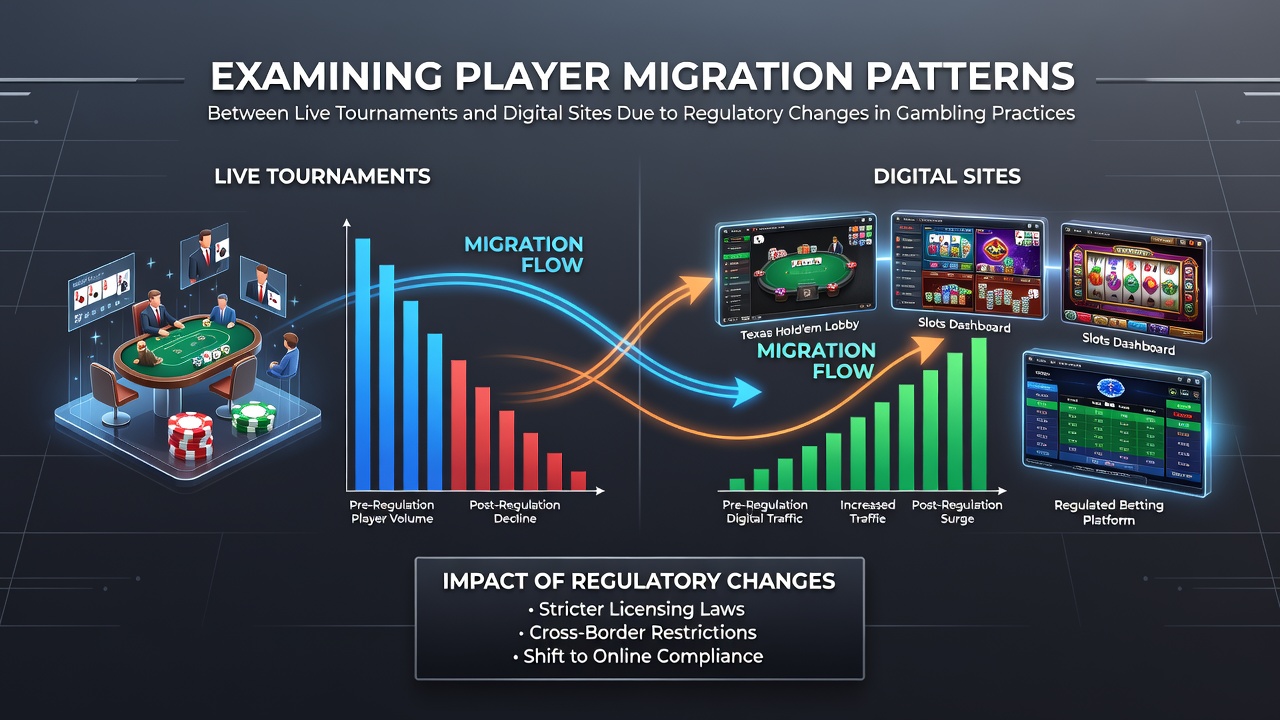
Examining Player Migration Patterns Between Live Tournaments and Digital Sites Due to Regulatory Changes in Gambling Practices
Regulatory adjustments across multiple jurisdictions have prompted measurable shifts in where poker enthusiasts choose to compete, with data showing increased movement between live events and online platforms since early 2025. Observers note that licensing requirements, tax structures, and verification protocols often influence these decisions more than any single factor, creating distinct migration corridors that researchers continue to track through participation statistics and operator reports.
Regulatory Drivers Behind the Shifts
Changes in digital licensing frameworks typically introduce stricter deposit limits and identity checks that can reduce session times for certain player segments, while live tournament rules in the same regions may remain comparatively stable or even expand through venue-specific exemptions. Research from the Australian Institute of Criminology indicates that operators in jurisdictions with phased implementation schedules saw a 14 percent drop in active digital accounts between March and August 2025, coinciding with a corresponding rise in live event entries reported by major circuits. Those patterns accelerated again in September 2026 when several European provinces aligned their remote gambling taxes with land-based rates, narrowing the cost differential that had previously favored online play.
Yet the flow is not uniformly one direction. Data collected by iGaming Ontario reveals that streamlined digital approval processes in certain Canadian provinces attracted players who previously favored regional casino festivals, particularly after new live venue caps were introduced to manage crowd density. The result is a bidirectional movement where participants evaluate total cost, convenience, and regulatory friction on a per-event basis rather than committing exclusively to one format.
Observed Migration Trends in Practice
Take the case of mid-stakes tournament grinders who historically split their schedules between European live stops and offshore digital sites. After updated know-your-customer mandates took effect in Nordic markets during late 2025, participation logs from international circuits showed these players increasing their live appearances by an average of three events per quarter while maintaining selective digital qualifiers that bypassed stricter local servers. Industry associations such as the European Gaming and Betting Association documented similar reallocations in quarterly surveys, noting that live satellite structures gained favor because they allowed players to bypass some online deposit caps through direct cash transactions at the venue.
Geographic Variations in Player Behavior
North American markets present a contrasting picture where state-by-state licensing has created pockets of digital growth even as neighboring jurisdictions tightened live tournament advertising rules. Figures released by the National Council on Problem Gambling show that states with comprehensive online frameworks experienced a 9 percent uptick in digital tournament traffic during the first half of 2026, drawing participants away from cross-border live events that faced higher travel and compliance overhead. Meanwhile, regions without digital options saw sustained or increased live attendance as players sought regulated alternatives within driving distance.
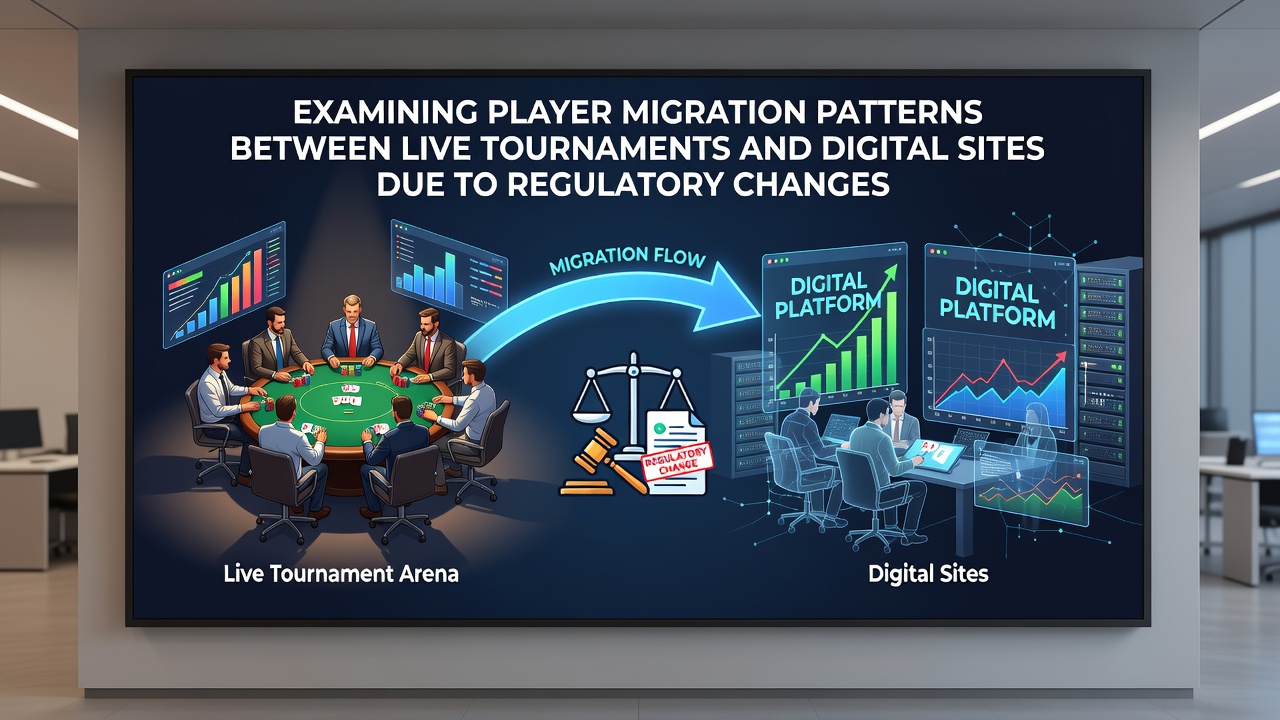
What's interesting is how these movements interact with seasonal calendars. Major live series scheduled for September 2026 incorporated additional satellite qualifiers hosted on licensed digital platforms in response to early registration data that signaled softening interest from international travelers facing new visa or tax documentation requirements. Operators adjusted prize pool guarantees accordingly, and preliminary reports suggest the hybrid approach stabilized overall turnout compared with purely live formats in prior years.
Impact on Tournament Structures and Platform Offerings
Live venues have responded by extending registration windows and introducing hybrid buy-in options that credit digital play toward live event entry, a development tracked in reports from the Canadian Gaming Association. Digital sites, in turn, have expanded their live-stream integration and offered rake reductions on multi-table tournaments to retain players who might otherwise migrate entirely to physical events. These adaptations reflect the reality that regulatory pressure rarely eliminates demand but instead redistributes it across available channels.
Academic studies from the University of Nevada, Las Vegas gaming research division further illustrate that players with higher travel budgets tend to maintain live participation regardless of digital restrictions, whereas recreational participants show greater sensitivity to changes in online deposit limits and verification speed. The divergence creates segmented markets where professional circuits and casual festivals evolve along separate trajectories even within the same regulatory environment.
Conclusion
Player migration between live tournaments and digital sites continues to reflect the cumulative effect of licensing, taxation, and compliance measures implemented across jurisdictions. Data collected through 2026 demonstrates that these movements remain fluid, with participants reallocating their activity based on the specific friction each format presents at any given time. Ongoing monitoring by regulatory bodies and industry groups will determine whether current patterns stabilize or shift again when additional alignment measures take effect in subsequent periods.